Eczema in Kids: A Pediatrician's Guide to Calming Itchy Skin
by Dr. Ashley Osborne | 2026-09-01
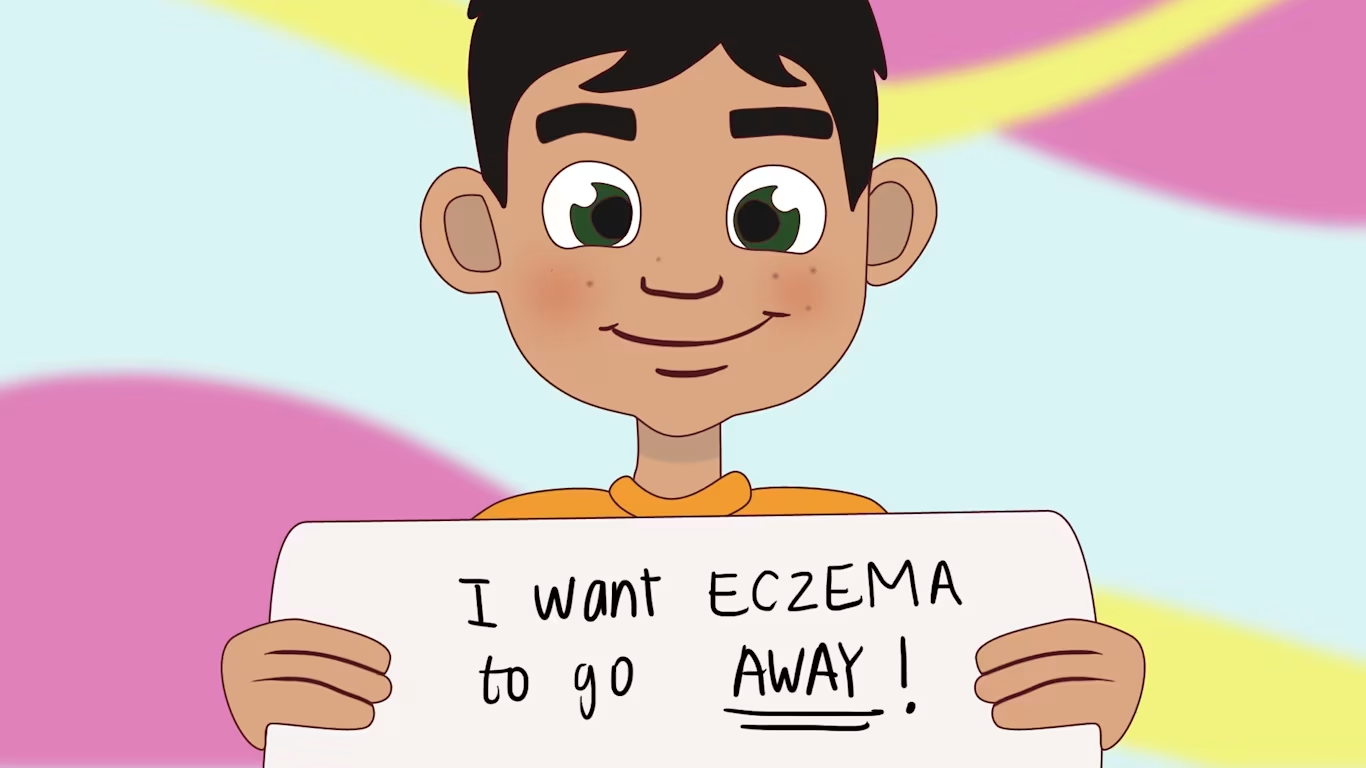
Eczema (atopic dermatitis) is a common skin condition that causes dry, red, itchy patches on a child's skin. It affects about 1 in 10 children in the US. It isn't contagious, and with a simple daily routine of short baths, gentle cleansers and lots of moisturizer, most kids feel much better.
Eczema is one of the most common concerns I see in my clinic. If your child is scratching through the night, you're probably tired too. The good news: you don't need fancy products or a complicated plan. A few small habits make a big difference.
What is eczema?
Eczema is a skin condition where the skin has trouble holding in moisture. When skin dries out, it gets itchy. When kids scratch, the skin gets more irritated, which makes it itch even more. Doctors call this the "itch-scratch cycle."
Eczema often runs in families, especially families with allergies, asthma or hay fever. These conditions are cousins. A child with one is more likely to have another.
What does eczema look like in kids?
Eczema can look different at different ages. Common signs include:
- Dry, rough or scaly patches of skin
- Red or darker patches (on brown and Black skin, eczema may look purple, brown or gray rather than red)
- Itching, which is often worse at night
- Patches in the creases of elbows and knees, on the wrists, neck, ankles or face
- Thick, leathery skin in spots that get scratched a lot
Your pediatrician can usually diagnose eczema just by looking at the rash and asking about your child's history. Most kids don't need a special test.
Is eczema contagious?
No. Eczema cannot spread from one person to another. Your child can go to school, play with friends and swim. It can help to tell teachers and coaches this, so no one worries.
What causes eczema flare-ups?
Eczema often comes and goes. A "flare" is when it gets worse for a while. Common triggers include:
Dry, cold air
(winter is a common flare season)
- Hot baths or long showers
Fragrances
in soaps, lotions, bubble bath and laundry detergent
Scratchy fabrics
like wool
- Sweat and heat
Stress
or poor sleep
Every child is different. Keeping a simple note of what was going on before a flare can help you and your pediatrician spot patterns.
The eczema bath and moisturize routine
This is the most important part of eczema care. Think of it as "soak and seal": a short bath adds water to the skin, and moisturizer locks it in.
Keep baths short and lukewarm.
Aim for 5 to 10 minutes in warm, not hot, water.
Use a gentle, fragrance-free cleanser,
and only where your child needs it. Skip bubble bath and washcloths, which can irritate the skin.
Pat, don't rub.
Gently pat skin with a soft towel, leaving it a little damp.
Apply any prescribed medicine first.
If your doctor prescribed a cream or ointment for flare spots, use it on those spots exactly as directed.
Moisturize within 3 minutes.
Put a thick layer of moisturizer over the rest of the skin (and on top of the medicine, if your doctor says so).
Moisturize again later in the day.
At least twice a day works well for most kids.
What's the best moisturizer for kids with eczema?
Thicker is better. Ointments work best, then creams. Lotions are usually too thin to help much. Look for products that are fragrance-free and made for sensitive skin.
Plain petroleum jelly (like Vaseline) is inexpensive and works very well. Other options many families like include Aquaphor, Eucerin and CeraVe. The best moisturizer is the one your child will let you put on every day. Tiny Docs isn't sponsored by any of these brands.
How can I help my child stop scratching?
Telling a child to "stop scratching" rarely works, and it can make them feel worse. Instead:
Keep fingernails short and smooth
to protect the skin when they do scratch.
Wash hands often
to keep germs off broken skin.
- Dress them in soft, breathable cotton.
Try a cool, damp cloth
on very itchy spots.
Distract
with a story, a game or a favorite show.
How to talk to your child about eczema
Kids do better when they understand what's happening to their bodies. A few ideas for ages 5 to 10:
Use simple words.
"Your skin is extra thirsty. The cream gives it a drink and helps it stay soft."
Explain the why.
"Scratching makes the itch angrier. Patting or a cool cloth helps it calm down."
Let them help.
Kids can pick which spot gets cream first, set a timer, or put cream on their own arms.
Normalize it.
"Lots of kids have eczema. It's not your fault, and it's not catching."
Make it a routine, not a punishment.
Pair moisturizing with a song, a story or a cozy pajama moment.
When should I call my child's pediatrician?
Call your child's doctor if:
- The rash isn't getting better with a good skin care routine
- Itching keeps your child from sleeping
- The skin looks infected: oozing, yellow or honey-colored crust, pus, warmth or redness that spreads quickly
- Your child has a fever along with the rash
- Painful blisters appear and spread fast (this needs to be seen the same day)
Eczema FAQs for parents
Will my child outgrow eczema? Many children find their eczema gets milder as they grow, and some outgrow it entirely. For others, it comes and goes into adulthood. Good skin care helps at every age.
Is eczema caused by food allergies? Food allergies are more common in kids with eczema, but food is rarely the main cause. Don't cut foods from your child's diet without talking to your pediatrician first.
How often should I bathe a child with eczema? Short, lukewarm baths followed right away by moisturizer are the key. Ask your pediatrician how often is right for your child.
Can my child swim with eczema? Yes. Rinse off after swimming, pat dry and moisturize right away. Chlorine and salt water can be drying.
Are steroid creams safe for kids? When used as your doctor directs, prescribed creams are a safe and important part of eczema care. Ask your doctor how much to use, where, and for how long.
Does eczema get worse in winter? Often, yes. Cold outdoor air and dry indoor heat pull moisture from the skin. A humidifier in your child's room and extra moisturizer can help.
The bottom line
Eczema is common, manageable and not your fault. Short lukewarm baths, gentle fragrance-free products and lots of thick moisturizer go a long way. And helping your child understand their skin can turn a nightly battle into a calm routine you do together.
Always talk to your child's doctor, nurse or another trusted health professional if you have questions about your child's health. This article is for education and isn't a substitute for medical advice.
Read Recommended Blog Posts
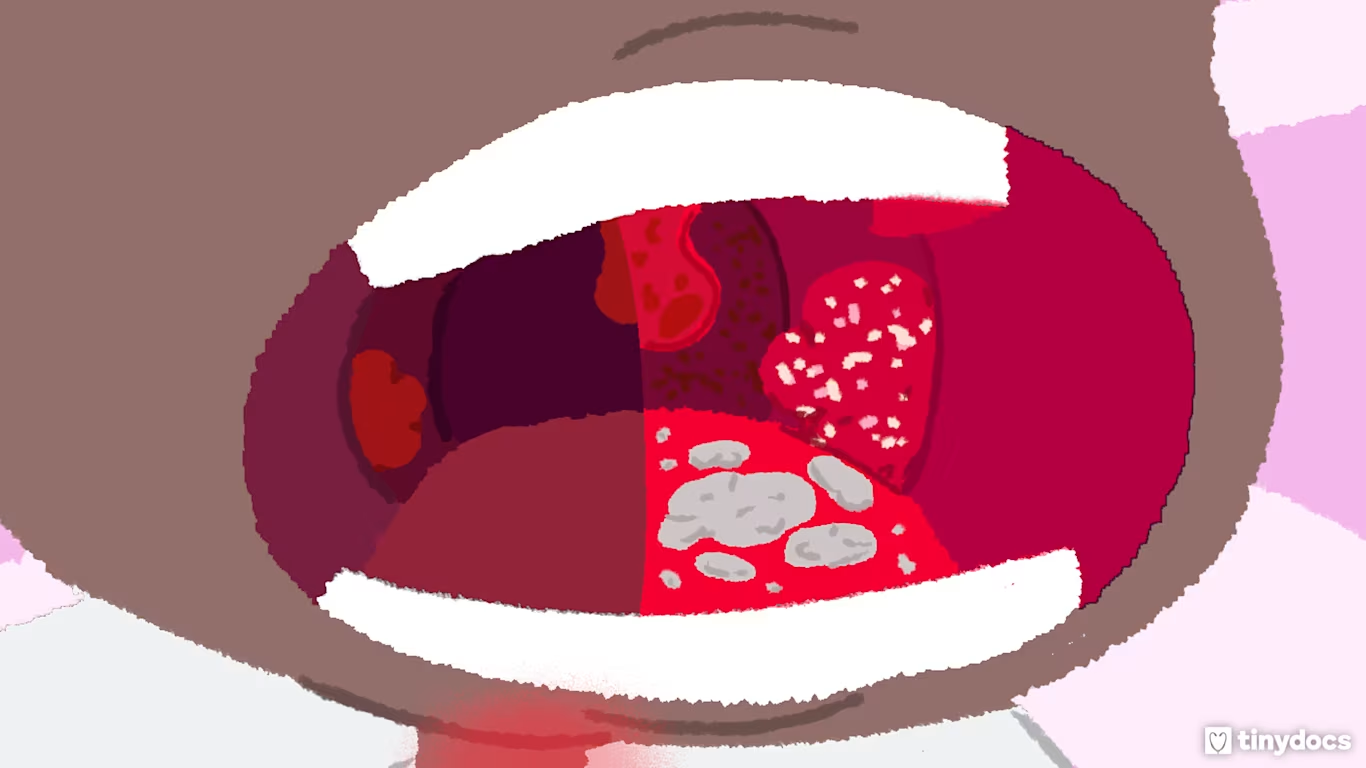
Strep Throat in Kids: A Family Doctor on Signs & the Swab
“Mom, it hurts to swallow.” I hear some version of this almost every day in clinic, especially once school starts. Most sore throats come from a cold and get better on their own. But some are strep throat in kids, and strep needs a doctor and medicine. So how do you tell them apart? And how do you get a nervous kid through the throat swab? Here’s what I tell the families I see. # What is strep throat? Strep throat is an infection caused by a germ called Group A strep. It’s a bacteria, not a virus. That difference matters, and I’ll explain why in a minute. I like to tell kids their tonsils are like two guards at the door of their throat. Most days they do a great job. Strep is a sneaky germ that slips past them anyway. About 3 in 10 sore throats in kids turn out to be strep. It’s most common in school-age children. Kids under 3 don’t get it very often. # Is it a cold or strep? A cold usually brings a cough, a stuffy nose, and a slow start. Strep tends to hit fast, and there’s usually no cough at all. Signs that make me think of strep: Throat pain that’s worse when swallowing Fever or chills Red, puffy tonsils, sometimes with white spots Sore, swollen glands on the sides of the neck Headache or tummy ache, and sometimes throwing up A red rash that feels rough, like sandpaper That last one has its own name: scarlet fever. It sounds scary, but it’s just strep with a rash, and it’s treated the same way. If your child has a few of these, call the doctor. # What happens at the strep test? The only way to know for sure is to swab the throat. The doctor or nurse uses a long cotton swab and touches the back of the throat. It takes about three seconds. Most offices run a rapid test first, and you’ll have an answer in 10 or 15 minutes. If it comes back negative, your doctor may send a second swab to a lab to double check. That one takes a day or two. # Getting your child ready for the swab Honestly, the swab is the part kids dread most. It doesn’t hurt much, but it feels weird, and it can make them gag. A little practice at home helps a lot. Here’s what I suggest: Tell them the truth in simple words. “The doctor will tickle the back of your throat with a long Q-tip. You might cough. Then it’s done.” Count it out together. “One, two, three, all done.” Three seconds feels short when you’ve practiced it. Try the lion roar. Have your child open wide, stick out their tongue, and roar “Ahhh!” It helps the doctor see, and most kids think it’s funny. Plan a treat for after. A popsicle works well, and it soothes the throat too. Kids handle things better when nothing is a surprise. Watching a short video together before the visit lets them see the whole thing first. # How strep is treated Because strep is a bacteria, antibiotics work on it. Your child will likely start to feel better within a day or two. Please finish every dose, even after your child feels fine. I can’t stress this enough. Stopping early lets the germ hang on. Untreated strep can, rarely, cause serious problems with the heart, joints, or brain. Colds are different. They’re caused by viruses, and antibiotics do nothing for a virus. That’s why we test instead of guessing. Helping them feel better at home Cold things feel great on a sore throat. Think popsicles, smoothies, or ice water. Soft foods like applesauce, yogurt, and soup go down easier too. Let them rest. Ask your doctor if fever or pain medicine is okay for your child. # When can my child go back to school? Most kids can go back once they’ve had no fever (without fever medicine) and have taken antibiotics for at least 12 hours. They should also feel well enough to get through a normal day. Schools have their own rules, though, so check with yours. Call the doctor right away if your child - Has trouble breathing - Is drooling or can’t swallow their own spit - Can’t open their mouth very wide - Isn’t drinking or peeing much - Seems worse after 2 days of antibiotics # Keeping strep from spreading Strep travels in the tiny droplets from coughs and sneezes. It also spreads through shared cups and forks. Wash hands with soap for 20 seconds. That’s “Happy Birthday” sung twice, which kids love. Use hand sanitizer when there’s no sink. Cough into an elbow. And for a few days, give everyone their own cup.
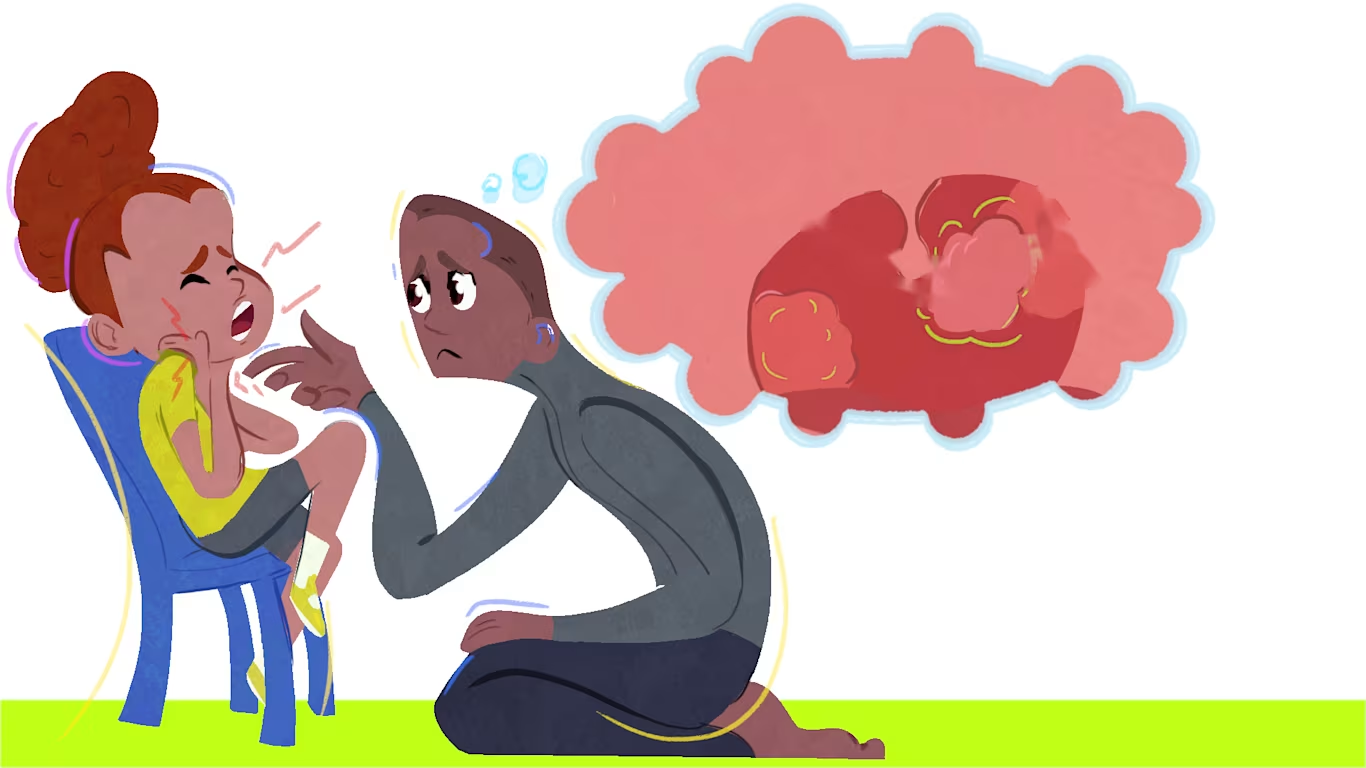
Tonsillectomy for Kids: A Pediatrician’s Guide for Parents
A child needing surgery can be an unsettling thought for a parent. A tonsillectomy for kids is one of the most common surgeries children have and most kids recover at home in 1 to 2 weeks. Before you agree to surgery, you should understand why it is the best choice for your child, how it is done, how to care for your child afterward, and what problems to watch for. ## What is a tonsillectomy? A tonsillectomy is surgery to remove the tonsils. The tonsils are soft tissues in the back of the throat. Normally, they help fight throat infections. Children can stay healthy without them, because the body has many other ways to fight germs. Sometimes the surgeon removes the adenoids at the same time. The adenoids are similar tissue that sits higher up, behind the nose. Removing both is called a tonsillectomy and adenoidectomy, or “T&A” for short. ## Why do kids need their tonsils out? There are two main reasons. The first is infection. Some children get throat infections (like strep throat) over and over. Doctors often consider surgery when a child has had 7 or more infections in 1 year, 5 or more a year for 2 years, or 3 or more a year for 3 years. The second reason is breathing. Sometimes the tonsils grow so big that they make it hard to breathe, especially during sleep. This is called obstructive sleep apnea. Parents may notice: - loud snoring most nights - pauses in breathing or gasping during sleep - restless sleep - a child who is tired, cranky, or has trouble focusing during the day - bedwetting that starts again after a child was dry If left untreated, repeated strep throat and sleep apnea can affect a child’s sleep, behavior, schoolwork, and growth. They can also lead to other serious problems. ## What age can a child have a tonsillectomy? There is no single right age. Your child’s surgeon will decide based on their health and symptoms. Children under 3 and children with severe sleep apnea may stay in the hospital overnight so the care team can watch their breathing. ## How to prepare your child for tonsil surgery Your child’s surgeon will give you instructions on when your child should stop eating and drinking. Please follow them closely. Your child will get anesthesia (sleep medicine) during surgery. Anesthesia relaxes the body, which makes it easier for food or drink in the stomach to come back up and get into the airway. An empty stomach keeps your child safe. If the instructions are not followed, the surgery may have to be moved. It also helps to talk with your child ahead of time. Kids cope better when they know what is coming. Use simple, honest words, such as: “The doctor is going to take out your tonsils so you can sleep better and get sick less.” Younger children may like hearing that tonsils are two little guards at the back of the throat that got too tired to do their job. When you talk about anesthesia, you might say, “You’ll get special sleep medicine, so you won’t feel anything. You’ll wake up when it’s done.” Try not to say “put to sleep,” since some children connect that phrase with pets. Be honest that their throat will hurt afterward and that it will get a little better each day. A favorite stuffed animal or blanket can come along to the hospital, too. Before surgery day, stock up on cold drinks, popsicles, and soft foods like applesauce, yogurt, pudding, and mashed potatoes. Ask your child’s doctor which pain medicine to have at home. ## What happens on surgery day? The surgery usually takes less than an hour, and your child will be fully asleep the whole time. If there are no complications, most children go home a few hours later. As the anesthesia wears off, your child may be sleepy, fussy, or a bit confused for a while. ## Tonsillectomy recovery at home Most children feel better in 7 to 10 days, though some need closer to 2 weeks. The sore throat often gets worse around days 3 to 5 before it starts to improve. Many kids also have ear pain, because the throat and ears share nerves. Other things that are normal during recovery: - bad breath, which can last up to 2 weeks - white or gray patches in the back of the throat (these are scabs, and they fall off on their own) - an upset stomach or some vomiting in the first day or two - a low fever in the first few days - snoring for a little while, until the swelling goes down To help your child heal, the most important thing is fluids. Cold drinks are soothing and help prevent dehydration. Start with soft, cool foods and add regular foods as your child feels ready. Keep your child away from sick people, and avoid sports and rough play for about 2 weeks. For throat pain, acetaminophen (Tylenol) and ibuprofen (Motrin) can help. Your child’s doctor will give you the correct dose and tell you how often to give it. Giving it on a schedule, rather than waiting for the pain to get bad, usually works best. Do not give children codeine or aspirin after this surgery. ## When to call the doctor after a tonsillectomy Bleeding can happen up to 2 weeks after surgery. It is most common around days 5 to 10, when the scabs come off. Go to the emergency room or call 911 right away if your child: has bright red blood coming from the mouth or nose, or vomits or spits up bright red blood has trouble breathing Call your child’s surgeon right away if your child cannot swallow liquids, cannot keep clear drinks down, or is peeing much less than usual. You should also call for a fever over 102°F or pain that medicine does not help. If your child still has a sore throat or ear pain after 2 weeks, contact their doctor. ## Tonsillectomy FAQs Is tonsil surgery painful for kids? Your child will not feel anything during surgery. Afterward, the throat will be sore for about 7 to 10 days. Pain medicine, cold drinks, and soft foods help. How long does tonsillectomy recovery take? Most kids recover in 7 to 10 days. Some take up to 2 weeks to feel fully back to normal. When can my child go back to school? Usually in 1 to 2 weeks, once they are eating and drinking well and no longer need regular pain medicine. Do tonsils grow back? Rarely. A small piece of tissue can grow back, but this is uncommon and usually does not cause problems. Will my child get sick less often? Children who had frequent strep throat usually have fewer throat infections after surgery. They will still catch colds. *This article is for general education and does not replace advice from your child’s doctor. Always follow the instructions from your child’s surgeon.*
The Importance of Mindfulness for Kids
These are strange, stressful, anxiety-inducing times. Children of all ages really need opportunities where they can take time out each day to "unplug" to relax and focus. Meditation and mindfulness practice offer this break and helps kids function more effectively and clearly. Meditative practices have been used since ancient times to improve health and well-being. But, just as an athlete may do different exercises, people who practice meditation often use different types. Many meditation practices use breathing techniques to promote a state of calm. Mindfulness meditation on breath, perhaps the most well-known type, involves sitting quietly, resting or closing your eyes and bringing your attention to your breath. When your attention drifts away, which it is likely to do, simply usher your attention back to your breath without judgment. You don't need years of meditative practice to benefit from this technique, nor do your children. There's no doubt, however, that sitting still for any length of time can be difficult for some kids. For this reason, a movement-based meditation, such as yoga, may serve as a good introduction. Meditation Tips 1. The length of time and frequency of meditating can vary for different people and different practices. But, pediatricians typically recommend the following time frames: - Preschool children: A few minutes per day. - Grade school children: 3-10 minutes twice per day. - Teens and adults: 5-45 minutes per day or more based on preference. 2. Try incorporating deep breathing into your children's daily bedtime routine—it can help them wind down for the night and make meditation easier to do when other situations arise. 3. Remind grade schoolers and teens to take a few deep breaths before answering a difficult question at school, taking a test, or before an athletic performance. 4. As young children learn to manage strong emotions, deep breathing can be part of the process—especially before and after time outs. 5. While meditation can be done on your own, it can also be done with the help of a trained professional. Some counselors and individuals with training in meditation can help others learn and practice meditation. 6. Meditation is not currently covered by most insurance plans unless given by a licensed counselor. It is always best to check with your individual plan. Flexible medical spending programs may count meditation training as a medical expense. 7. There are multiple ways to learn different practices of meditation. There are books, audio recordings, videos, online training, websites, and and even smartphone apps to help children meditate. Choose and practice the one that works the best for you and your child, and enjoy a calmer body, mind and spirit. Adapted from healthychildren.org
How to Explain Asthma to Kids: A Child Life Specialist Guide
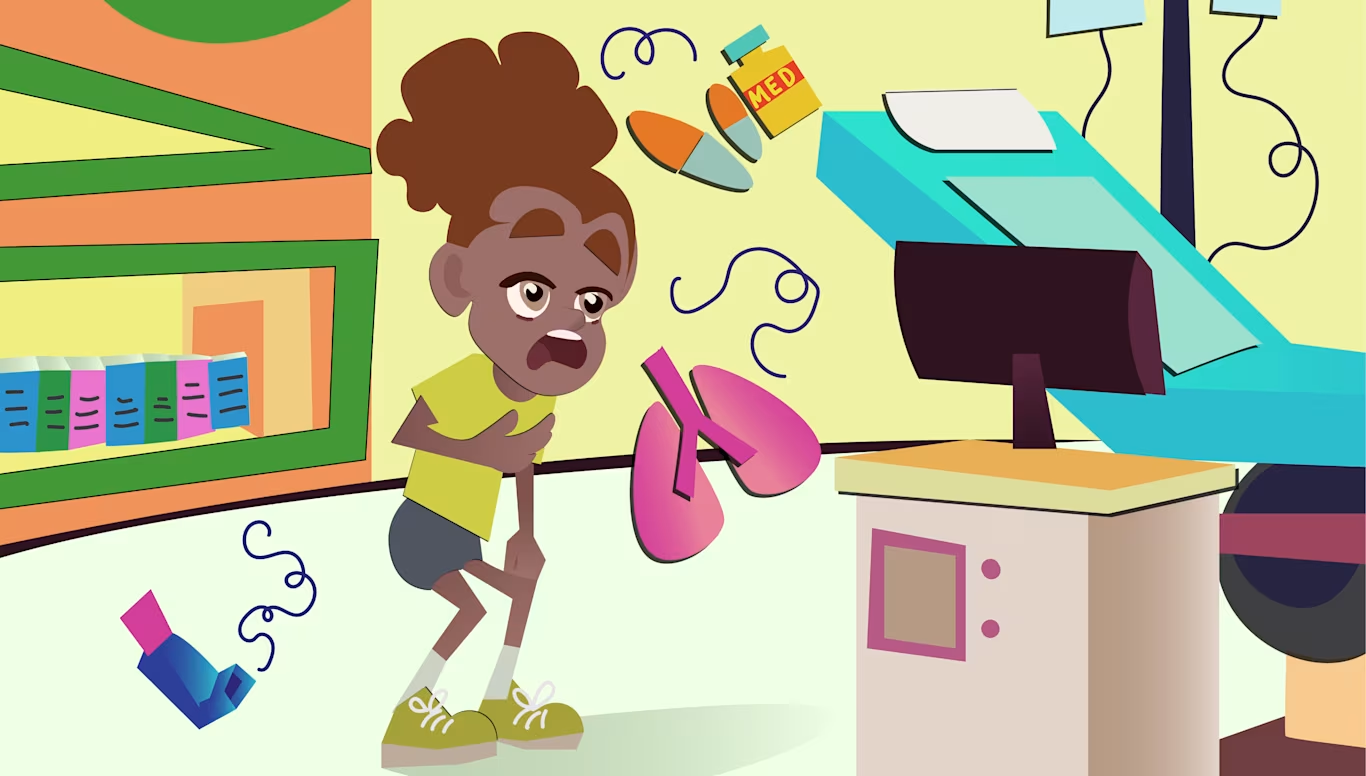
The best way to explain asthma to a child is to start by asking what they think the word means. Then keep it simple: asthma is when the small air tubes in the lungs get tight and narrow, which can make breathing harder. From there, talk about triggers and what to do when breathing feels tight, and use play to practice treatments. What does "asthma" mean to your child? For many of my patients, asthma has been part of their lives for as long as they can remember, and they get regular treatment, so they often think there's no need for education. I always like to start off by asking my school-age and adolescent patients what the word "asthma" means. You'd be surprised how many children are stumped by this question! Many even think asthma is worse than it actually is. Having children explain the condition in their own words can help healthcare professionals, parents, or even teachers see what the child already knows. How do you explain asthma in kid-friendly words? Try saying it like this: "Your lungs have little tubes called airways. Air travels through them like it does through a straw. With asthma, those tubes can get squeezy and narrow, so it's harder for air to get through. Your medicine helps the tubes relax and open back up." What are asthma triggers? After we've defined asthma, I like to go over triggers. Triggers are things that can make asthma symptoms start or get worse. Common triggers include: • Colds and other germs • Pollen • Dust • Pets • Smoke • Cold air • Running and playing hard Every child's triggers are different, so ask your child's doctor which ones matter most for them. What should a child do when asthma starts to act up? Diane, this section needs your guidance. Please cover what kids should do when they feel an asthma attack coming on, and point families to the child's asthma action plan. Please also include when to get emergency help. Always talk to your doctor, nurse, or another trusted grown-up if you have questions about your health. How do you help young kids feel okay about breathing treatments? My younger patients tend to have a very difficult time coping with breathing treatments, so my goal with this group is to normalize the aerosol mask (also called a nebulizer mask) through medical play. It's important to be patient. Some kids get comfortable with their own mask after just one session, but others take time and repetition. The goal is to make the mask as normal to them as the brush they use to comb their hair or the toothbrush they use to brush their teeth. If your child has an extremely difficult time with treatments, I encourage you to add something unique and special that is only used during treatments. For example: • Play-Doh • Uninterrupted tablet time • Finger painting Any of these can help your child associate asthma treatment with something positive. How do you keep teaching as your child grows? My best advice for caregivers of children with asthma is to keep reinforcing asthma education and medical play as your child grows older. Children are constantly developing their understanding of the world, so their understanding of asthma must grow and develop too.
How to Talk With Kids About Covid-19
Explore the facts about COVID-19 and gain valuable knowledge regarding the pandemic. Read our informative blog to stay informed and educated.